

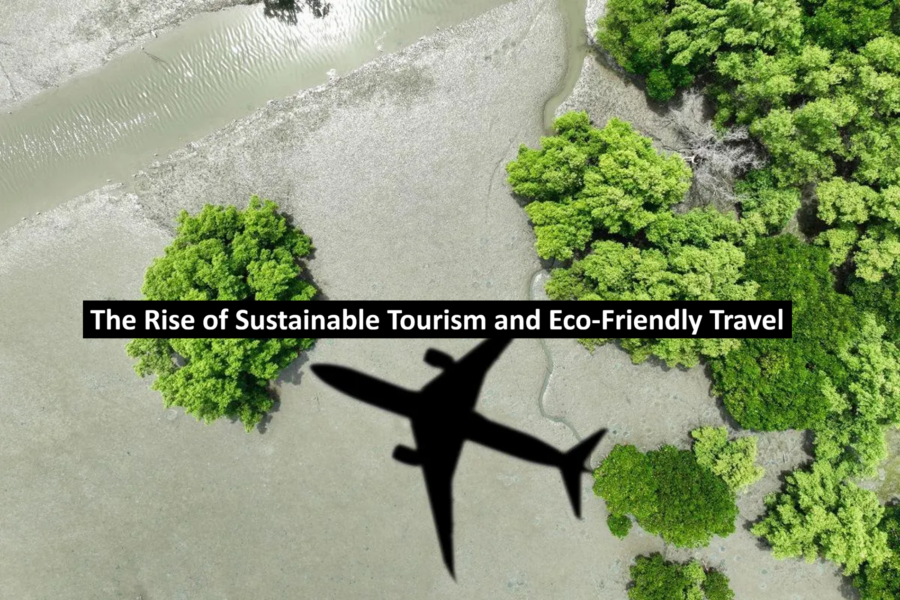
Responsible travel A topic increasingly addressed due to growing awareness of tourists to the global impacts of travel, we leave at the forefront of sustainability concerns to our planet. Whether to preserve natural resources, improve the living conditions of local populations in our travel, we increasingly feel the need to travel differently in the perspective not to spoil in terms of quality of environment we live in. The eco travel aims to change consumer behavior towards travel with low environmental impact, saving waste and energy resources.
In addition, developing tourism and travelers with a consciousness that embraces sustainability has also had an impact on the travel agencies, hotels, airlines, and destination tourism councils. Companies are already implementing and shifting into a green initiative and making travel plans, choosing their Accommodation and Activities more wisely for sustainable tourism.
What Is Sustainable Tourism?
Sustainable tourism describes how travel can have minimal damage to the environment, and benefit locals on both economic and social level; It also covers responsible uses of natural resources, local cultural respect, biodiversity conservation, and local business contribution.
Sustainable tourism isn’t the typical sort of travel that impacts the immediate present of a location-or not at a very small environmental, cultural and economical scale-as such sustainable tourism focuses not on the potential gains of tourism but on its sustainability. The aim is for destinations to generate revenue but at the same time, alleviate stress to natural systems and offer possibilities for local communities to participate within the industry and generate economy through it.
Read: How to Prepare for Unplanned Backcountry Overnight Trips
Eco-Friendly Accommodation Is Growing
Hotels are becoming the latest adopters. Eco-friendly strategies that reduce hotels and other room operators in making hotel trips in an eco-friendly way are already commonplace and will likely include more. Green lighting techniques, renewable energy sources, water conservation technology as well as recycle programmes will see an increase, as will locally- sourced food.
Accommodations are also more often chosen, on an eco-friendly basis, for cost reasons. Environmental awareness of the environmental policy, the waste management or the certification, is nowadays of importance.
Responsible Transportation Choices
Transport plays an important role in sustainable travel, as it is often the means of travel between different destinations that has the largest impact on the environment. Travelers can take responsible actions by choosing trains, public transport, bikes, pedestrian routes, or car sharing options when possible.
In parallel, companies and transportation providers are actively researching alternative solutions and improvements to their systems. Despite the complexities and hindrances of environmentally responsible transportation, solutions and opportunities are being presented through continued innovation.
Indeed, there are also several destinations relying on the health of their natural environment. National parks, beaches, forests, mountains and marine sites are some examples of environments influenced by over-tourism. Travelers exploring remote areas should also understand how to prepare for unplanned backcountry overnight trips, including carrying essential supplies and following basic outdoor safety practices. Sustainable tourism promotes visitors in accordance with the rules in terms of nature, not littering, not excessive use of plastic materials and respect for wildlife.
Supporting Local Communities
Sustainable tourism has the potential to generate vital economic benefits for local communities at destinations. Purchasing from locally owned hotels, restaurants, tour operators and souvenir shops means your money is circulated within the local community.
Along the way you can buy handicrafts from individual craftsmen or local communities, while also interacting with local culture and learning traditions. Remember always to be respectful with customs and in most instances with flora and fauna in the country concerned.
Protecting Natural Destinations
Clean, pristine and well functioning environments are essential to attract tourists in many places. National parks, pristine beaches, undisturbed natural forests, rugged mountains, pristine oceanic environments are all vulnerable to the strain placed by masses of tourists. In terms of travel practicesSustainable Tourism implies travelers adhering to rules designed to protect wildlife, such as refraining from feeding and picking wild animals, not leaving behind any trash, as well as making an attempt to minimize using as much disposable items made of plastic.
Destination managers also introduced caps on visitors, conservation schemes and protected zones to curb environmental pressure. The methods also prevent tourist destruction from happening again in future years.
Reducing Waste While Traveling
Reducing the amount of waste has also gained more importance for responsible and ecological travels. By bringing a reusable water bottle, avoiding disposable plastics as much as possible, or sorting waste appropriately travelers can limit their negative impact on the environment.
Businesses involved in tourism such as hotels and service providers can help by: minimizing the amounts of foods that they throw out or recycle; by minimizing the amounts of packaging they use, and by substituting disposable products for durable ones, such as permanent crockery instead of disposable ones for instance. Little action from individuals within the tourism field, by doing this every day, has a great impact in protecting nature.
Technology and Sustainable Travel
Travelers are learning more and more from technology making for a more sustainable and aware trip. From sustainable hotels and transport, local experiences, certification schemes for eco-friendly activities to managing public transports and identifying local businesses, smart-tools and travel apps are now enabling travel smart on the go.
Hotels and destinations are implementing technologies to track usage, manage waste and water resources and reduce waste. These technologies can make green tourism more attainable and accessible with limited impact on the travelers’ travel experience.
The Future of Eco-Friendly Travel
Sustainable tourism may, in future, more frequently rely upon renewable energy, low-impact transit and accommodation and efficient, technological use of resources. In addition, travelers may become more inclined to seek experiences that serve the welfare of the local population and minimize adverse effects on tourist attractions.
With the ever increasing awareness about our environment, sustainable tourism will undoubtedly be a significantly growing sector of the world travel industry. With travel decisions and choices focusing on responsibility, support for a sustainable business sector can contribute to valuable travel experiences as well as the preservation of environmental, cultural and human environments for future generations.
Author’s Bio:
Lalit is a freelance content writer, blogger, and digital marketer with 6 years of experience. He writes clear, engaging content on sustainable athleisure market, SEO, technology, business, education, and market trends, making complex topics easy to understand and apply.