

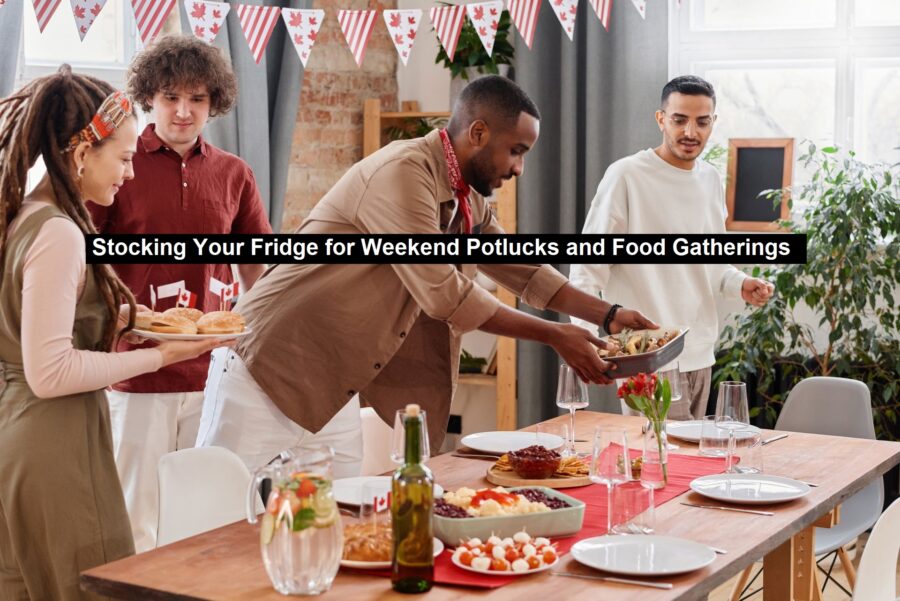
Hosting a weekend gathering built around food sounds simple until the cooking actually starts. Trays pile up, guests text that they’re bringing a side dish nobody planned for, and suddenly there isn’t a single open shelf left. Good potluck food ideas rarely fail because of the recipes themselves — they fail because the kitchen wasn’t set up to hold everything at once. A little planning around storage capacity, timing, and layout can turn a stressful afternoon into a relaxed one. This article looks at where kitchens typically run into trouble during food-centered events and how thinking ahead about cold storage prevents the most common hosting headaches before they start.
TL;DR — Key Takeaways
- Overlapping prep tasks and unplanned guest contributions are the biggest reasons kitchens run out of fridge space during gatherings.
- Choosing potluck food ideas that stagger well or don’t require constant refrigeration eases pressure on limited cold storage.
- Layout matters as much as total volume — organized compartments and wider shelving prevent bottlenecks on high-volume cooking days.
- A staggered prep timeline keeps food safe while reducing how many dishes need to be chilled at the same time.
Why Hosting Food Events Strains a Typical Kitchen
Most kitchens are built around the rhythm of everyday cooking, not the compressed timeline of a weekend gathering. On a normal day, a fridge holds groceries that get used gradually. During a food event, several dishes move through prep, cooking, and cooling stages at once, and all of them compete for the same shelves at roughly the same time. A pot of soup that needs to cool before storage, a salad that has to stay chilled until serving, and marinating meat waiting its turn on the stove can all land in the fridge within the same hour.
Guests add another layer of unpredictability. A host might plan a menu with a clear sense of how much space it needs, only to find that two or three people show up with dishes of their own. Those contributions are usually well-intentioned, but they arrive without warning and often need immediate cold storage, ice packs, or counter space that wasn’t accounted for. The result is a kitchen that looks like it has plenty of room on paper but runs out of usable space in practice. Recognizing these two pressure points — overlapping prep and unplanned volume — is the first step toward planning a gathering that doesn’t turn into a logistical scramble halfway through.
Read: How to Prepare for Unplanned Backcountry Overnight Trips
Planning Potluck Food Ideas Around What You Can Actually Store
Menu planning for a gathering works best when storage limits shape the choices from the start, rather than becoming an afterthought once the shopping is already done. One of the most effective techniques is staggering make-ahead dishes so they don’t all need chilling on the same day. A dip or marinade prepared two days in advance frees up space on the day before the event for items that genuinely can’t be made early, like a fresh salad or a cream-based dessert. Spreading preparation across several days smooths out the peak demand on the fridge instead of concentrating it into a single overloaded evening.
It also helps to build a menu that mixes cold-dependent dishes with ones that hold up at room temperature or reheat well from frozen or ambient storage. Baked goods, cured items, and many grain-based sides can sit safely outside the fridge for a stretch, which means they don’t compete for the same limited shelves as items that spoil quickly. Reheating a dish fresh, rather than keeping it chilled until the last minute, is another way to reclaim space during the final hours of prep.
A practical approach is to sort the planned dishes into three rough categories before shopping: things that must stay cold until serving, things that can be made ahead and frozen, and things that are fine at room temperature. This kind of sorting does more than organize a shopping list — it directly determines how much cold storage the event actually requires, which is far more useful than guessing based on the number of guests alone.
Fridge and Freezer Space: The Quiet Bottleneck of Good Hosting
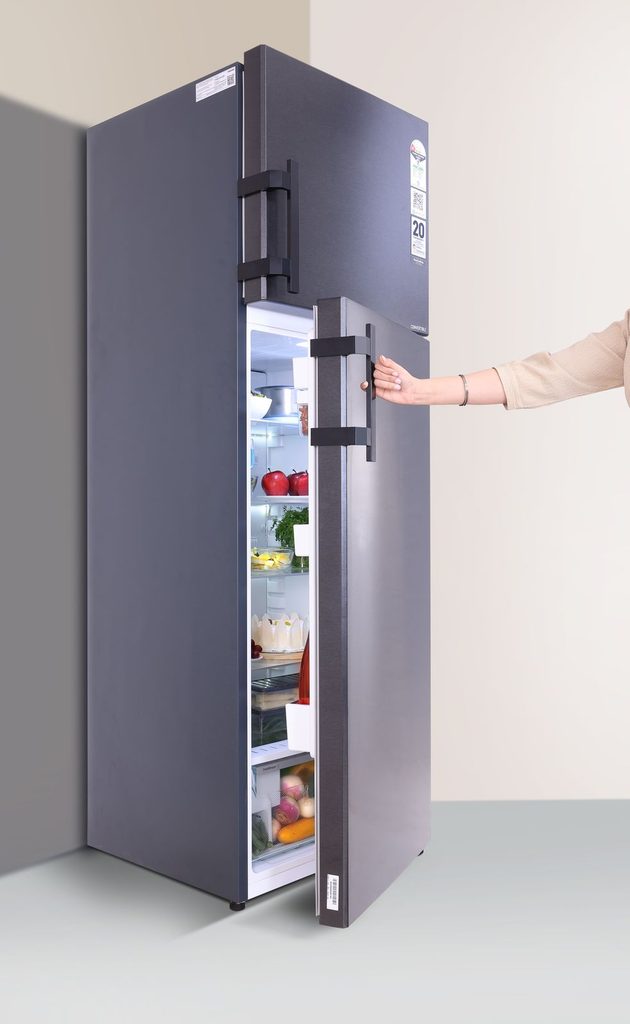
Storage capacity is often the hidden constraint that decides whether a food gathering feels organized or chaotic. Even a well-planned menu can stall if raw ingredients, marinating proteins, and finished dishes all end up jammed onto the same shelf. Keeping these categories physically separated matters for more than tidiness — it reduces the risk of cross-contact between raw and ready-to-eat food during a high-volume cooking day, when multiple dishes are moving in and out of the fridge in quick succession.
This is where compartment layout becomes as important as raw volume. Many hosts eventually find that a double door fridge with independently organized sections makes it easier to keep raw ingredients on one side while prepared or ready-to-serve items stay untouched on the other, cutting down on the shuffling that happens when everything shares a single compartment. Wider shelving is another practical advantage during events, since standard single-door units are often built around narrower door bins and shelves that were never designed to hold a large serving platter or a stacked tray of appetizers.
If the gathering includes meat or fish, a Liebherr FreshBox keeps those items in a sealed, opaque box so they do not scent the rest of the fridge while trays and sides compete for shelf space.
The freezer side of the equation deserves attention too. Dishes prepared well ahead of an event, such as a casserole or a batch of dough, take pressure off the fridge only if there’s enough freezer room to hold them until they’re needed. A kitchen with generous freezer space can move more of its make-ahead cooking out of the fridge entirely during the days leading up to the event, thawing items on a staggered schedule instead of storing them chilled for days on end. That shift alone can free up a surprising amount of shelf room right when it matters most, on the final day of prep when everything else is competing for cold space.
Prep Timelines That Keep Food Safe and Fresh
A prep schedule works best when it moves from least perishable to most perishable, saving the coldest, quickest-to-spoil items for last. Dry ingredients, sauces that hold up well, and anything that benefits from resting or marinating overnight can be handled early in the week. Items that need to stay cold right up until they’re served, like a dairy-based dip or a delicate salad, are better prepared close to the event and refrigerated promptly rather than left sitting out while other cooking continues. As a general practice, cold-sensitive dishes are best moved back into the fridge as soon as they’re finished, since bacteria multiply fastest in the range between refrigerator and room temperature.
Staggering the cooking schedule itself is just as important as staggering the prep. Instead of cooking every dish on the morning of the event, spreading tasks across two or three days means fewer finished dishes are competing for cold storage at any single moment. A roast that can be made a day ahead and reheated, for instance, doesn’t need to occupy fridge space alongside a salad that was only just tossed together. This kind of sequencing does two things at once: it protects food quality by giving each dish the right amount of time to cool and set, and it reduces the number of containers stacked into the fridge on the final, busiest day. A host who maps out this timeline in advance usually finds that the day of the gathering feels far less rushed, simply because most of the cold-storage pressure has already been absorbed earlier in the week.
Frequently Asked Questions (FAQ)
How far in advance should I start prepping for a potluck?
Starting three to five days ahead works well for most home gatherings, since it allows dishes that hold up over time to be made early while leaving room in the schedule for anything that needs to be fresh on the day itself. The exact timing depends on the menu, but spreading tasks out generally reduces both stress and pressure on cold storage.
What should I do with leftovers after the event?
Leftovers should be portioned into smaller containers and refrigerated or frozen promptly rather than left to cool slowly in one large dish, since smaller portions chill faster and more evenly. Labeling containers with contents helps guests and hosts alike sort through shared leftovers without confusion.
How do I estimate how much fridge space I’ll need for a gathering?
A rough estimate comes from listing every dish that requires refrigeration and picturing its container size, then adding extra room for guest contributions that weren’t part of the original plan. Clearing out everyday groceries before the event and reserving a specific zone for gathering-related items is usually more reliable than guessing based on guest count alone.