

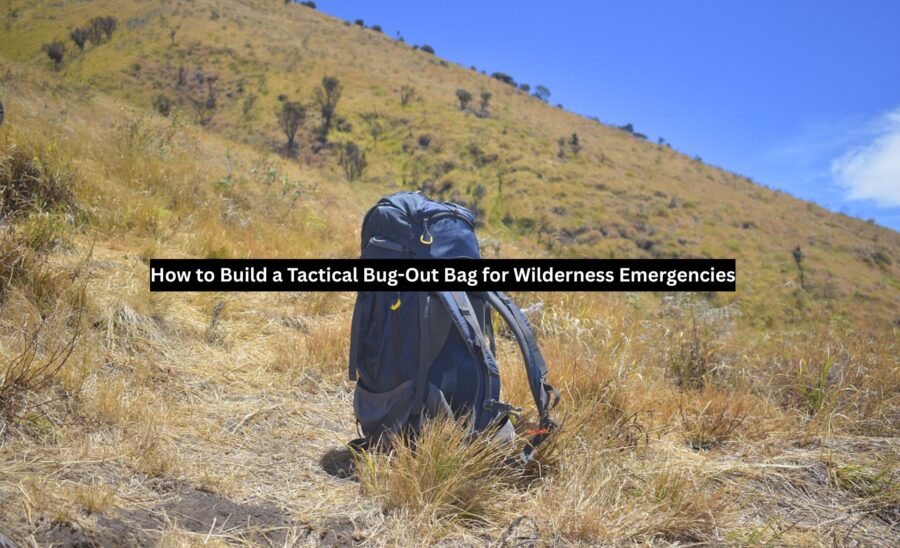
Key Takeaways:
- A bug-out bag should be large and waterproof
- The key things you should focus on are food and water, first aid, clothes, and survival tools
- Try to minimize wasting space by packing MREs, compact tools, and packing smart
“A Boy Scout is always prepared” is maybe the most well-known scout motto, and a bug-out bag exemplifies that brilliantly. As a ready-to-go survival solution, a bug-out bag is a crucial part of every prepper’s must-have list. In the event of an emergency, while everyone else is trying to gather their bearings, you can just grab your bag and get out of dodge in seconds.
What exactly are the boxes your bug-out bag should check? And what are some things you shouldn’t waste time on?
Let’s take a look at how to build a tactical bug-out bag for wilderness emergencies.
Choosing Your Bug-Out Bag
Your bug-out bag needs to fit the following:
- Food and water
- First aid
- Clothes
- Survival tools
And as if fitting all that wasn’t enough, it also needs to keep it all safe and dry. Therefore, you should opt for the biggest waterproof pack you can find. It’s going to come at a price, sure, but you’ll be happy you paid for it when you realize how much stuff you can fit in it.
Food and Water
Three things are crucial for the survival of any organism: food, water, and shelter. While you can’t exactly pack a house in your bug-out bag, you can certainly ensure you’re not hungry and thirsty for a while.
The purpose of a bug-out bag isn’t to keep you alive for a long period. It’s there just to keep you alive for a short while until you make your way to safety. With this in mind, you shouldn’t overpack on food and water.
MREs (Meals Ready to Eat) are your best option for a bug-out bag. They may not taste that great (although that depends on the brand and even the individual meal), but they have the best size-to-calories ratio out of any survival food. You can stack a few bags of MREs in your bug-out bag to keep you from starving for at least a week, and they won’t take up too much space.
The issue with MREs is that if you want to warm them up and make them tastier, you need water, which would further require you to carry more water in your bug-out bag. If the worst comes to worst, though, you can eat them without cooking them beforehand. You won’t enjoy it, but they’ll fill the stomach all the same and won’t present a health hazard.
Aside from MREs, the best survival foods for a bug-out bag are canned foods. They have a very long shelf life, and they come precooked, so you don’t need to waste time on preparation.
Read: Simple Japanese Recipes for Your Everyday Cooking Needs
The most popular canned foods are:
- Beans
- Broths
- Soups
- Fish (especially tuna and sardines)
- Canned meat
If you pack four MRE bags and two cans of food, you have more than enough food to survive a week in the wilderness if you ration it properly.
The bigger issue you’ll come across is water. It takes up a lot of space, and it can be heavy to carry. Unfortunately, unlike food, there’s no way to make water more compact, and you won’t survive long without it. This makes filling your bug-out bag with as much water as possible the best course of action.
A smart way to minimize wasting space on water is by packing a survival water filter with you. While they do come at a steep price, water filters do work, and they’re a great way to avoid carrying too much bottled water with you.
First Aid
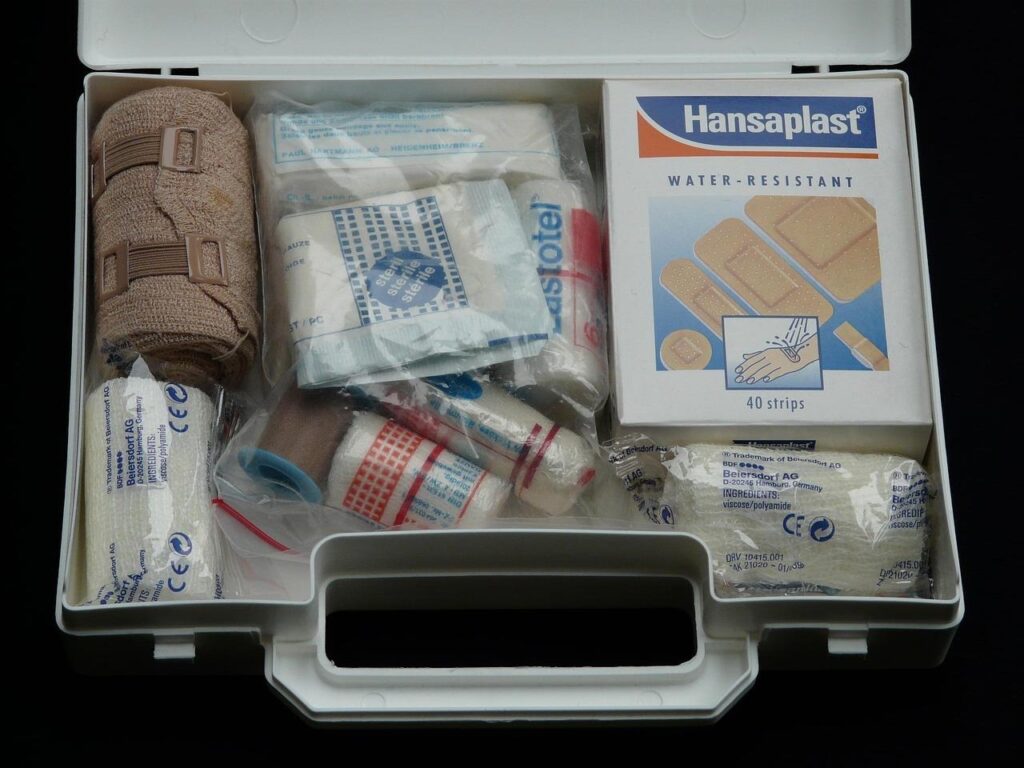
You can buy premade first aid kits that are ready to go if you don’t want to build your own. This is a must-have in your bug-out bag.
A first aid kit should include:
- A tourniquet
- Bandages
- Disinfectant
- Surgical gloves
- Scissors
- Tweezers
- Antiseptic wipes
- Elastic wrap
- Splints
Your best bet is buying a first aid kit approved by the Red Cross. This will be marked on the label.
Clothes
You shouldn’t waste too much space on clothes, but you should have a change of clothes in case you get wet.
It’s recommended that your bug-out bag include:
- A few pairs of socks
- A few underpants
- No more than two shirts
- Spare pair of pants
Survival Tools and Weapons
Survival tools can make the difference between life and death if you find yourself in a survival scenario, and the most important things to carry are:
- A knife
- A multitool
- Paracord
- A firestarter (a lighter or a flint)
- A small shovel
- A flashlight (with reserve batteries)
- Duct tape
- Map of the local area
In most survival scenarios, your survival tool will see much more action than a weapon, but it would be smart to pack something for protection, especially if you’re going to find yourself in bear country.
Pack Smart
You want to bring something compact – a bug-out bag’s precious storage space shouldn’t be wasted on your kitted-out AR with its custom-made AR foregrip, holo sights, and flash hider. Instead, think smaller, like an EDC. With that, you pretty much covered all the bases for your tactical bug-out bag for wilderness emergencies. Remember to always think about optimizing space as much as possible, and don’t forget to replenish your food supplies once every few months.